Better taste
WaterMark certified
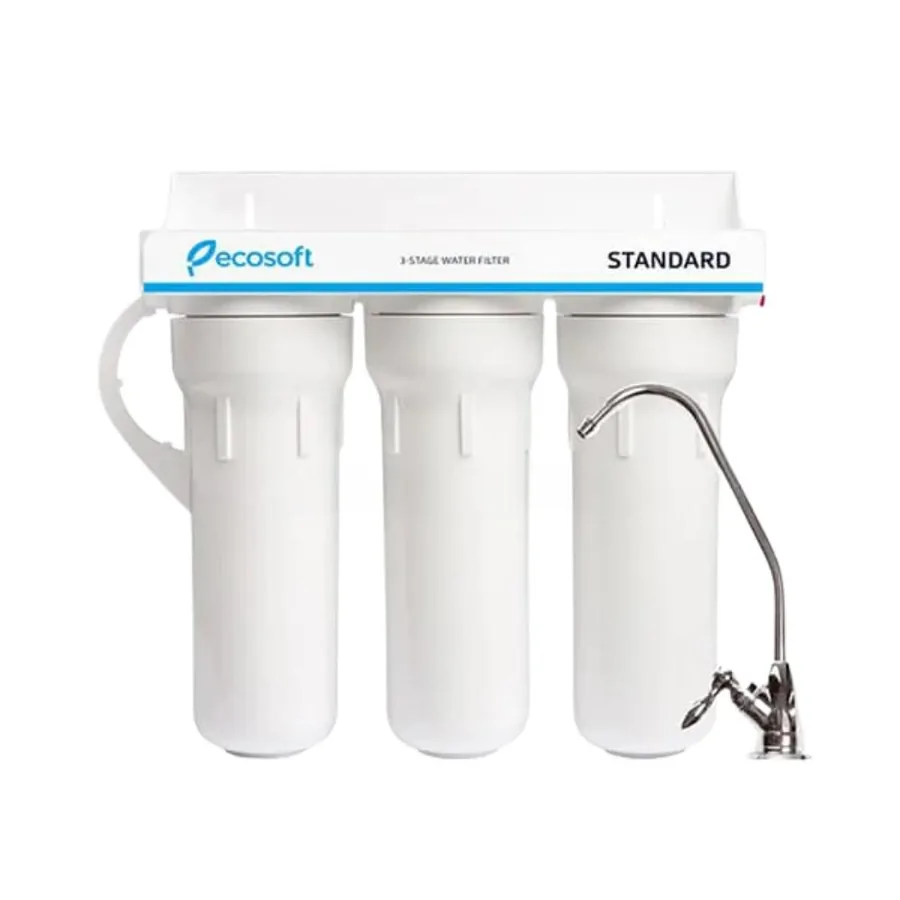
3 Stage Under-Sink Filter
Reduces chlorine taste, smell and sediment at the kitchen tap. Not designed to remove PFAS or fluoride.
$299$460
Details & specs →
All our products are WaterMark certifiedHome → Water guides → Is Sydney tap water safe?
Short answer: yes. Sydney's tap water meets the Australian Drinking Water Guidelines. This guide explains what is actually in it, what the official test results say, and when a filter is worth having — with links to the original sources so you can check for yourself.
Written by PH Water Filters, Revesby Heights. Updated October 2026.
The short version
PFAS
PFAS are man-made “forever chemicals” from firefighting foam, non-stick coatings and waterproofing. In 2025 the NHMRC lowered the safe limits for PFAS in Australian drinking water — PFOS now has a limit of 8 nanograms per litre. See the NHMRC PFAS review.
In 2024, testing found PFAS in water from the Cascade plant that supplies the upper Blue Mountains. A PFAS treatment system has run there since December 2024, and Sydney Water reports the supply now meets the guidelines. The NSW Government confirms all Sydney Water supplies meet the updated guidelines. Sydney Water publishes its PFAS monitoring results and PFAS information page.
If you want PFAS lower still: reverse osmosis reduces PFOS and PFAS by up to 99%. Jug filters and basic carbon filters are not designed to remove PFAS. See our PFAS water filters.
Chlorine and chloramine
Sydney Water adds a small amount of chlorine to keep water free of germs on its way to your tap, and says it is harmless at these levels (see Sydney Water: safe drinking water). Many parts of Sydney use chloramine — chlorine combined with ammonia — which lasts longer in long pipe networks (see a Sydney Water quarterly water quality report).
What helps: a carbon filter improves taste and smell. Reverse osmosis gives the most thorough result at the kitchen tap. A whole house filter reduces chlorine taste and smell in showers and baths too.
Fluoride
NSW Health recommends fluoride in drinking water to help prevent tooth decay. Sydney Water targets 1.0 mg/L, below the guideline limit of 1.5 mg/L (Sydney Water quarterly report; Australian Government: fluoride). Whether you filter it out is a personal choice. If you do, only reverse osmosis removes fluoride — jug filters, carbon filters and whole house systems do not.
Lead and copper
Water from Sydney's network rarely contains lead. But some older brass fittings, taps and solder inside homes can release lead and copper when water sits in the pipes overnight (see the NHMRC lead guideline and NHMRC questions and answers on lead).
So, do you need a filter?
Reduces chlorine taste, smell and sediment at the kitchen tap. Not designed to remove PFAS or fluoride.
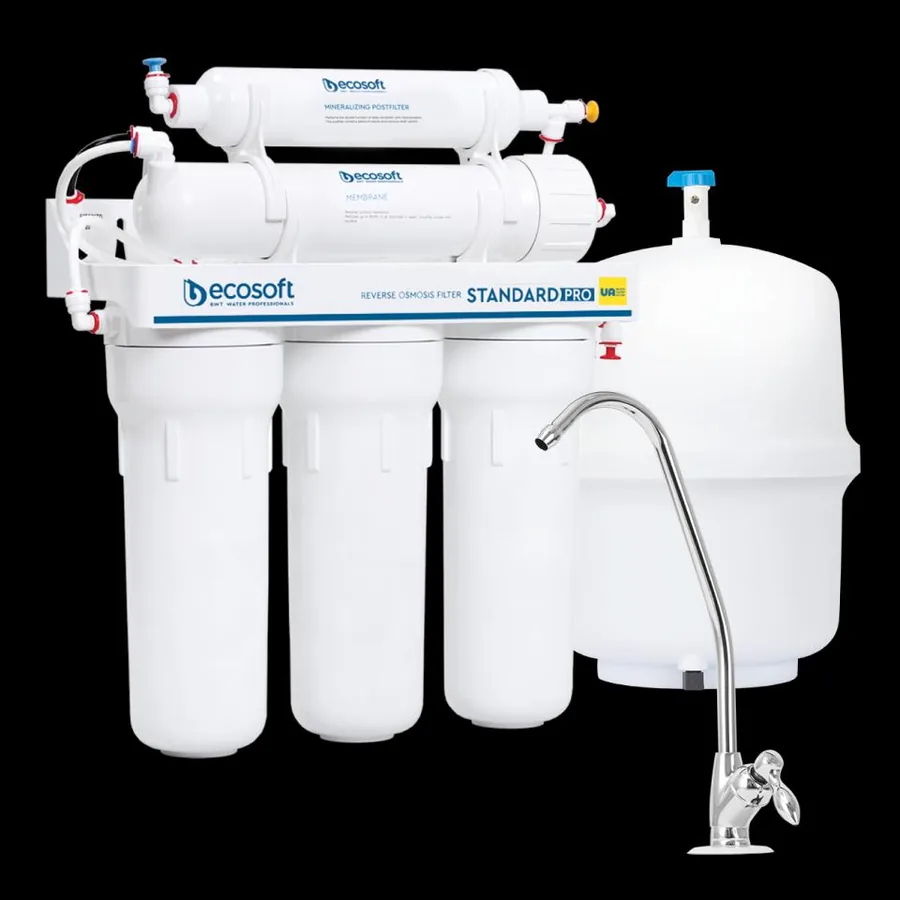
Reduces PFAS by up to 99%, plus fluoride, chlorine and heavy metals. Lifetime warranty with yearly servicing.
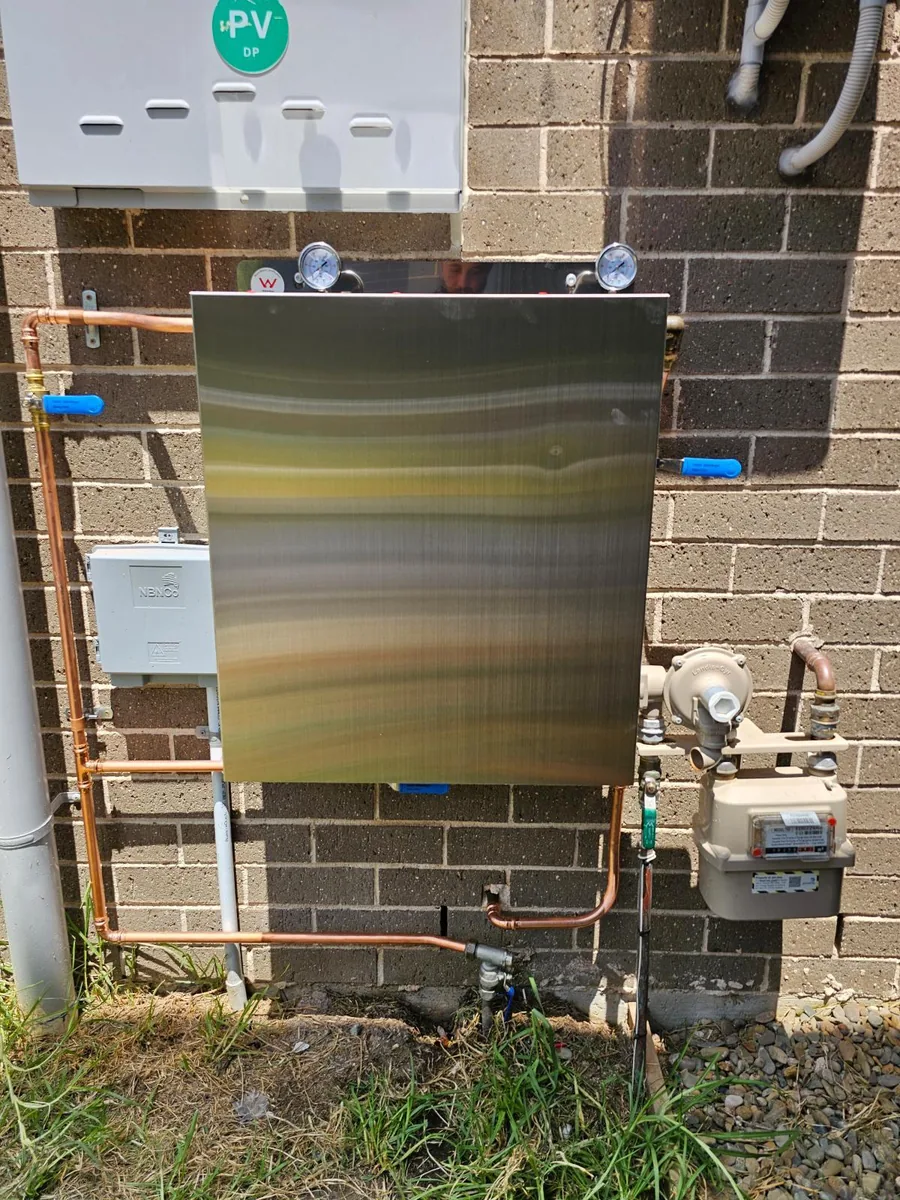
Fitted at the mains. Reduces PFAS by around 95% and chlorine smell throughout the house. 7-year warranty.
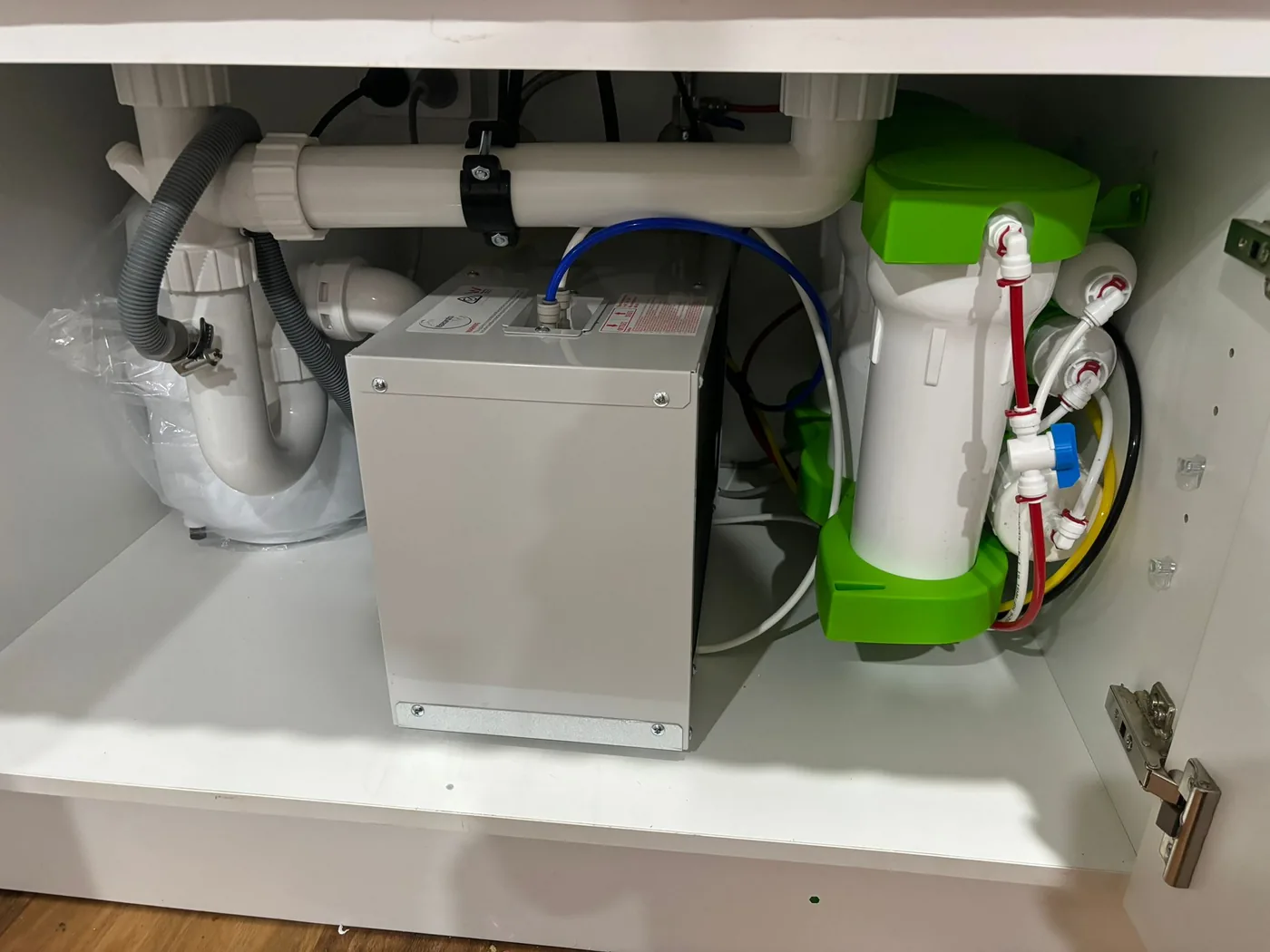
A filter that is overdue for new cartridges stops doing its job. We service any brand.
Common questions
Yes. Sydney Water and the NSW Government report that Sydney's drinking water meets the Australian Drinking Water Guidelines, including the tighter PFAS limits introduced in 2025. A home filter is an extra layer for taste and peace of mind, not a fix for unsafe water.
Sydney Water tests for PFAS and publishes the results. Trace amounts can be detected, but all customer supplies currently meet the updated national guidelines. Reverse osmosis reduces PFAS by up to 99% if you want to remove what is left.
Sydney Water adds a small amount of chlorine, or chloramine in many areas, to keep water free of germs all the way to your tap. It is safe at these levels, but many people notice the taste and smell. Carbon and reverse osmosis filters both reduce it.
Yes. Sydney Water adds fluoride on NSW Health advice to help prevent tooth decay, targeting 1.0 mg/L, below the guideline limit of 1.5 mg/L. Only reverse osmosis removes fluoride; jug and carbon filters do not.
It can. The water leaving Sydney Water's network rarely contains lead, but some older brass fittings and tapware inside homes can release small amounts, especially when water has been sitting overnight. Health authorities recommend running the cold tap for about 10 seconds first thing in the morning, and only drinking from the cold tap.
You do not need one for safety. People choose a filter for better taste, to cut chlorine smell in the shower, or to lower trace PFAS, fluoride and metals from household plumbing. Reverse osmosis is the most thorough option for drinking water; whole house covers every tap and shower.
Questions about your water?
We are a mobile business based in Revesby Heights and we come to you — call and you will usually speak to the person who will do the install.
Tell us your suburb and which tap you want filtered. You get a fixed price before anyone comes out.
Every product we sell is WaterMark certified
WaterMark is Australia's mandatory certification scheme for plumbing and drainage products, administered by the Australian Building Codes Board. It means a product has been tested to the applicable Australian specification and is authorised for installation. About WaterMark